| |
The system works with
diesel, gas, electric and hybrid systems, incorporates clean technology and
electronic controls, and is applicable to
generally any submerged,
planing and
semi-planing hull, including V-shaped hulls.
This includes commercial vessels, military
ships, patrol and rescue boats, amphibians, yachts, rigid inflatables, recreational boats,
and unmanned vessels. |
|
Boats and ships are commonly propelled
by propellers or water jets. Both of these came into common use before
modern computer control systems: propellers were used on the Monitor and the
Merrimac in 1865; water jets became common in the 1960s.
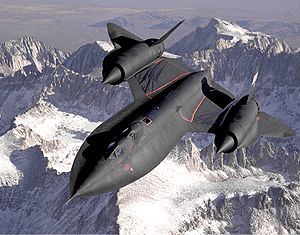
By the late 1960s, the venerable SR-71 on the left incorporated controllable
inlets, several internal flow controls, and a controllable nozzle.
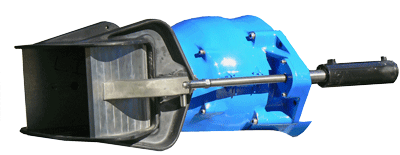
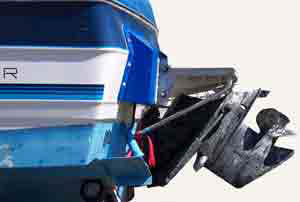
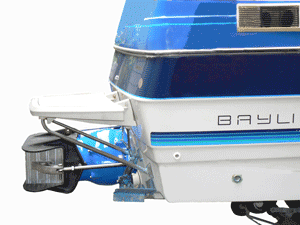
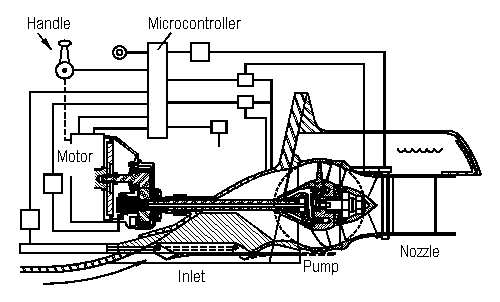
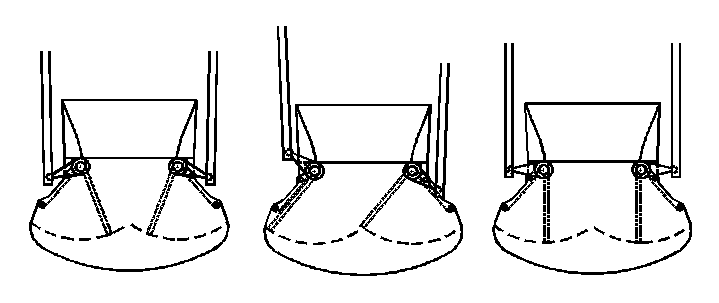
IntelliJet Marine, Inc. has adapted the same principles to boat propulsion
in four US patents and in a technical paper presented at the Advanced Naval
Propulsion Symposium 2008.
The
benefits of these features are on the wish list of military, commercial, and
recreational boaters. They include substantial improvements in safety,
fuel-economy, acceleration, maneuverability, ease of operation, and
reliability.
|
|
|